Early last Friday, about 140 miles off the coast of Ensenada, something happened that sounded like a scene straight out of Steven Spielberg’s classic horror film “Jaws.” |
A boat loaded with more than two dozen migrants, following a route U.S. officials said is commonly used by human smugglers, sank in the middle of the night. |
Someone managed to send a distress signal that was picked up by the U.S. Coast Guard, which launched rescue aircraft from as far away as Ventura and Sacramento, but it took hours for them to arrive. |
In the meantime, the migrants had to tread water, alone in the immense, dark ocean, with little to cling to but debris and each other. |
Well, maybe not completely alone. |
Reports of shark attacks off the Baja coast |
When the American helicopters finally arrived, they managed to pluck 16 of the 27 people who had been on board from the waves — the other 11 are still missing and the search has been called off. |
Several of the people who were rescued, according to Coast Guard reports, had suffered “injuries consistent with shark bites.” |
My mouth went dry and my palms began to sweat when I read those five words. I immediately recalled the classic, bone-chilling scene in Jaws when the crusty old fisherman tells of serving aboard the USS Indianapolis, a Navy ship sunk by a Japanese submarine during World War II. |
He tells how roughly 900 sailors went into the water and spent four days desperately fighting off shark attacks. When rescuers finally arrived, only 316 of those sailors were pulled from the water alive. |
That’s a true story, although historians are still debating how many of the sailors died of exposure and how many were actually killed by sharks. But the tale has lodged so deeply in the popular imagination that it would have been running through my mind on a loop if I had been one of those poor souls in the water. |
But Christopher Lowe, director of the Cal State Long Beach Shark Lab, thinks that fear could be misplaced. |
A shark expert has his doubts |
On Tuesday, he was quick to point out how limited the information released so far has been, and described the odds of an attack by a group of sharks in the middle of the ocean as “not unheard of, but super unlikely.” |
If he ever found himself shipwrecked 140 miles from shore, Lowe said, hypothermia would be his main concern, followed closely by the lack of fresh drinking water. But encounters with marine life? |
“I would put that as a very low possibility,” he said, “unless you’re hurt and bleeding.” |
That would bump up the odds that passing sharks might get curious and come to investigate, Lowe said, but, even then, a mass attack would be highly unusual. |
“What happens sometimes is sharks get close, and people lash out to try to keep the sharks away, and then actually put their hand or foot in the shark’s mouth,” Lowe said. |
Does that make you feel better? Me neither. |
Asked what kind of sharks the migrants might have encountered out there, Lowe mentioned that Guadalupe Island — one of the world’s most popular spots for cage diving with great whites — is about 150 miles off the Baja coast. |
But if great whites had been responsible, the bites would have been “pretty recognizable and pretty substantial,” Lowe said. There would have been little doubt what had caused the injuries. |
Was it a simple misunderstanding? |
Lowe, who is one of the world’s best-known shark biologists, pointed out that no one has contacted him to examine the wounds and confirm whether sharks were responsible. |
A call to the Coast Guard on Tuesday afternoon generated no new details. The petty officer who answered the phone could only point to the information released over the weekend. |
Lowe, who clearly loves sharks and is quick to defend them when he thinks they might be getting a bad rap, was reasonable and reassuring, as always. Maybe this will all turn out to be a simple misunderstanding. |
But my palms are still a little sweaty. |
Top stories |
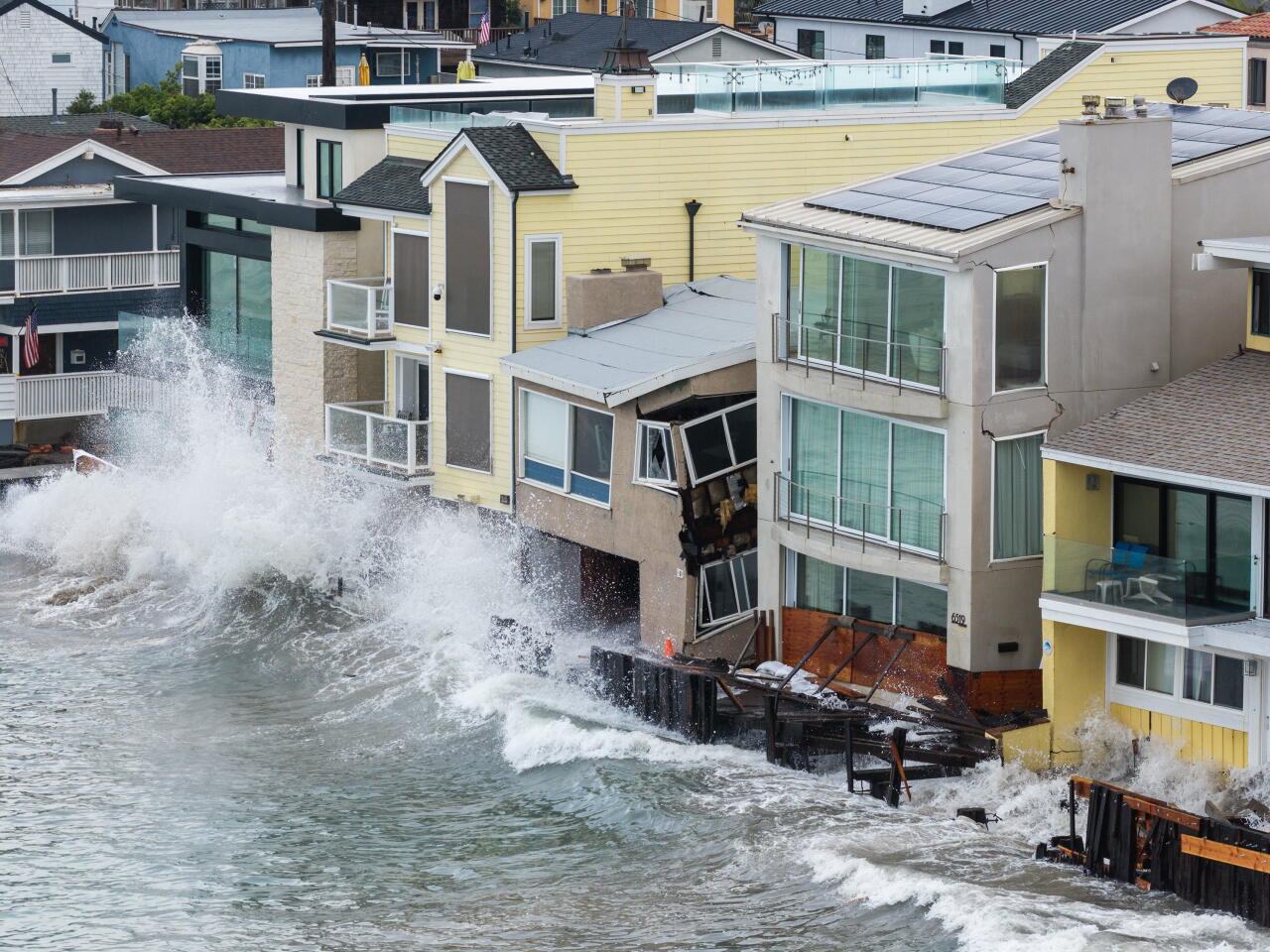 |
Waves crash into homes on the Alamitos Peninsula in Long Beach on Oct. 10. (Myung J. Chun/Los Angeles Times) |
Waves are destroying Long Beach’s peninsula |
- Long Beach’s breakwater protects the shore from waves from the west, but allows waves from the south to hit a narrow stretch of the peninsula that’s been badly damaged this year.
- The city plans to deposit 415,000 cubic yards of dredged sand along the shore, but it is unclear whether the project will be done in time to limit further damage as winter El Niño conditions intensify.
|
New details in alleged California voter fraud case |
- Federal authorities teased a “separate batch” of 17,000 potential noncitizen voters in their federal court challenge to California’s handling of alleged voter fraud this week.
- Los Angeles County officials questioned the accuracy of the government’s earlier list of 20,000 alleged noncitizen voters — saying a preliminary review of a subset of those voters found nearly 40% were born in the U.S.
- Thousands of California voters in Tulare County were accidentally mailed duplicate vote-by-mail ballots, adding to a growing distrust in the integrity of mail-in ballots following President Trump’s attempt to restrict them before the November election.
|
Where are California’s dead trees going? |
|
|
|
|
More news |
|
|
Commentary and opinion |
|
|
|
|
Editor’s pick |
|
A stretch of Foothill Boulevard beckons with three grocery stores that are a destination for locals shopping for banchan and other prepared foods, fresh produce, snacks and Korean brands. |
|
 |
|
More picks |
|
|
Keep up with California |
Your support helps us deliver the news that matters most. Subscribe to the Los Angeles Times.
|
|
|
|
|
|
Things to do |
 |
(Megan Morello / For The Times) |
|
|
Today’s recipe |
 |
(Rebecca Peloquin / For The Times) |
Creamy, sweet dates soothe out the lemon in these bars, while the tart lemon brightens up the dates. They are perfect for snacking, a showy dessert or just a fun and tasty baking project. |
Question for you |
You’ve told us your favorite Halloween candy. Now we want to know — how much have you spent on Halloween candy this year? |
Email us at essentialcalifornia@latimes.com, and your response might appear in the newsletter this week. |
Photo of the day |
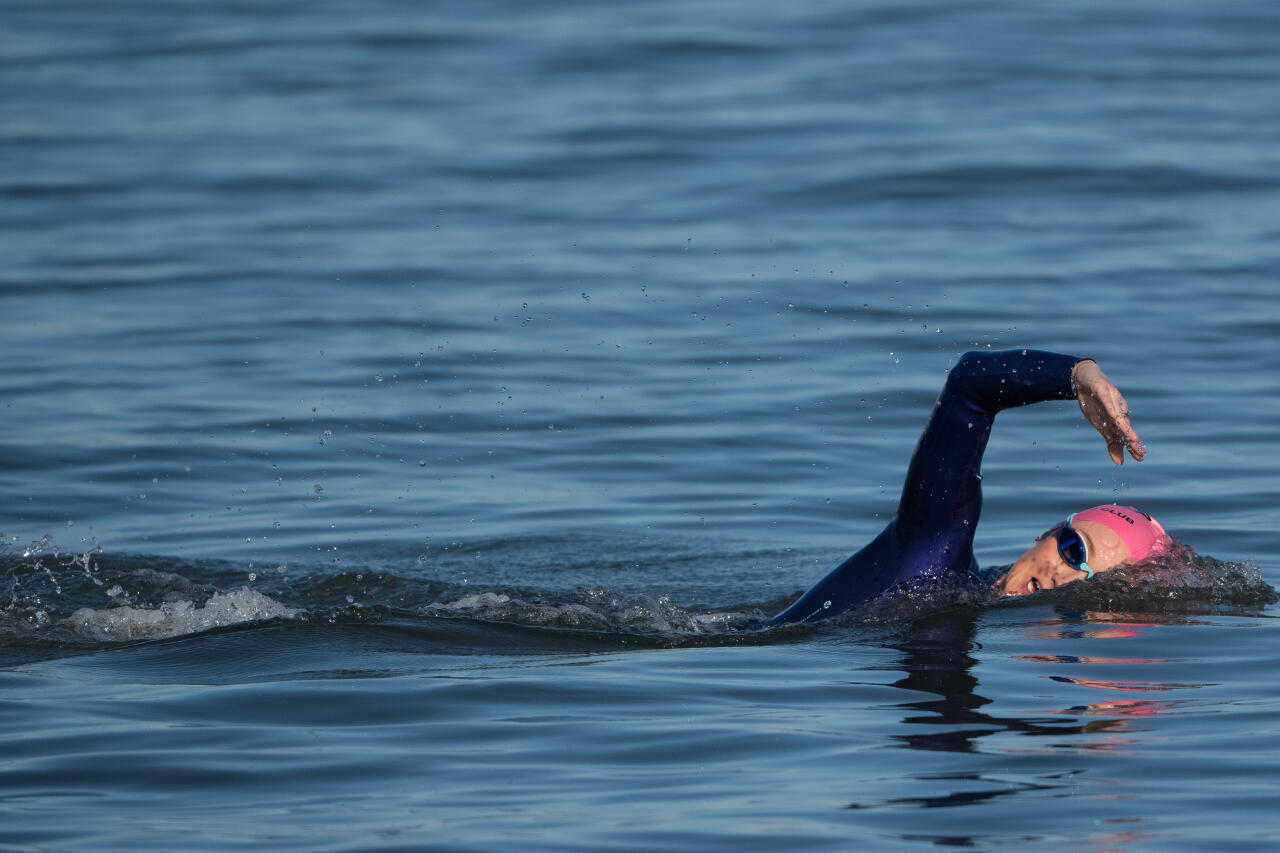 |
Catherine “Cat” Breed made history by swimming California’s 900-mile length, while also navigating hurricanes and tropical storms — an experience that took months and was alternately grueling and magical. (Paul Kuroda ) |
Games |
 |
Here’s today’s mini crossword, plus our other free, daily crossword puzzle, sudoku, word search and jigsaw games. |
Have a great day, from the Essential California team |
Jack Dolan, investigative reporter
Hugo Martín, assistant editor, fast break desk
Kevinisha Walker, multiplatform editor
Andrew Campa, weekend writer
Karim Doumar, head of newsletters |
How can we make this newsletter more useful? Send comments to essentialcalifornia@latimes.com. Check our top stories, topics and the latest articles on latimes.com. |





No comments:
Post a Comment