|
Highlights
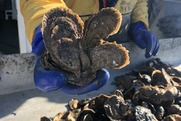 Oysters are amazingly capable: They grow into reefs that provide habitat for a number of species. They help filter the water. They’re a tasty seafood. So we’re celebrating oysters online October 19-23! Join us during #OysterWeek as we highlight our work with the mighty oyster. Follow along with @NOAAHabitat on X, @NOAAFisheries on Facebook, and @noaafisheries on Instagram. |
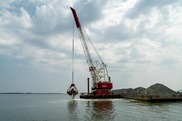 The Office of Habitat Conservation awarded the Maryland Department of Natural Resources $10 million to build more than 70 acres of oyster reef in Hooper Strait. After completing a decade-long effort to restore oyster reefs in 10 Chesapeake Bay tributaries with our partners, we’re advancing a new goal. The Chesapeake Bay Program aims to restore or conserve at least 2,000 additional acres of oyster reef habitat by 2040. |
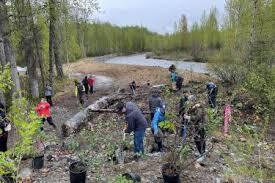 In collaboration with the National Fish Habitat Partnership, NOAA is supporting six projects that will improve fish habitat and engage recreational fishing partners. Activities will include recovering seagrass beds in Florida, rebuilding coral reefs in Hawaii, controlling invasive species in Alaska, and stabilizing eroding shorelines in North Carolina. |
 When any habitat restoration project finishes, a critical question remains: Will the project help threatened fish and other species recover? At the Prairie Creek habitat restoration project, researchers have conducted monitoring before, during, and after construction to determine whether the project would improve the survival prospects of coho salmon. |
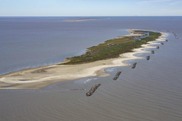 The Deepwater Horizon Louisiana Trustee Implementation Group has approved a final restoration plan for two projects that will restore coastal habitats injured by the Deepwater Horizon oil spill. The projects will restore up to 1,700 acres of marshes, beaches, dunes, and barrier island habitat, benefiting coastal ecosystems and wildlife, including birds, fish, and shellfish |
|
|
|
|
|




No comments:
Post a Comment